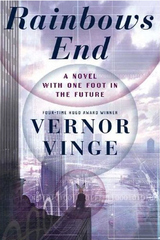
Science fiction writers have always speculated about the future -- sometimes they are quite accurate (Jules Verne predicted live newscasts, space travel, and the Internet in the 19th century) and other times not so much (flying cars haven't taken off yet). Authors typically set their science fiction stories well into the future, so they can get in a few good years of sales before the future becomes the present and their works begin to look naïve and obsolete. Far-future settings also allow an author to solicit a greater suspension of disbelief from the reader -- sure, warp drives and holodecks sound fanciful, but who's to say what wonders may be common in 400 years? However, occasionally authors will accept the difficult challenge of setting their stories in a near-future world similar to our own, where predictions about technological advancement must be grounded in reality and "science as magic" hand waving is not tolerated. It is these stories, when written by authors with expertise in the subject matter and the willingness to conduct research, that provide invaluable inspiration to those of us in the business of turning imagination into reality.
posted at 2008-11-16 01:23:06 MST
by David Simmons
tags: cypherpunk2.0 sf whatsnext inspiration